
The Top 10 Cheapest Cars to Insure
Last updated on May 26th, 2026
The Generalinsurance.org Editorial Team produces informational content about insurance topics, focusing on clear, practical explanations to help readers understand common coverage options, costs, and shopping considerations.
Articles cover everyday questions related to auto, home, renters, life, and other insurance categories, including policy basics, pricing factors, coverage comparisons, and ways consumers may reduce costs while maintaining appropriate protection.
Content reviewed internally for clarity and consistency of general insurance concepts.
Note: This content is for general informational purposes only and does not constitute insurance, legal, or financial advice. Generalinsurance.org is an independent informational website and is not affiliated with any insurer.
Auto insurance premiums remain a significant expense for drivers nationwide, leaving many drivers searching for the cheapest cars to insure. The average full-coverage policy now averages around $2,500–$2,900 annually. The reality is, the vehicle you drive can dramatically influence your rates, potentially saving hundreds or even over $1,000 per year compared to higher-risk models.
Insurers determine premiums using extensive claims data, factoring in crash rates, repair costs, theft likelihood, safety features, and driver demographics. Compact and midsize SUVs, crossovers, and minivans continue to dominate the lowest-premium lists due to their strong safety profiles, reasonable repair expenses, and appeal to cautious drivers.
This 2026 ranking draws from the latest data aggregated across the web from sources like Bankrate and CarEdge. Average full-coverage rates are estimates for a typical 40-year-old driver with a clean record and good credit. Your actual quotes will vary based on location, driving history, coverage levels, insurer, and other factors.
Before buying one of the cheapest cars to insure, compare personalized car insurance quotes from multiple insurers. A car that is cheap to insure nationally may not be the cheapest option in your state, city, or ZIP code. Coverage level also matters: liability-only insurance will cost less than full coverage, but it may not provide enough protection if your vehicle is newer or financed.
1. Honda CR-V
The Honda CR-V remains one of the cheapest vehicles to insure in 2026, with average annual premiums around $1,932. Its combination of strong safety features, reasonable repair costs, practical design, and wide parts availability makes it a favorite among insurance companies.
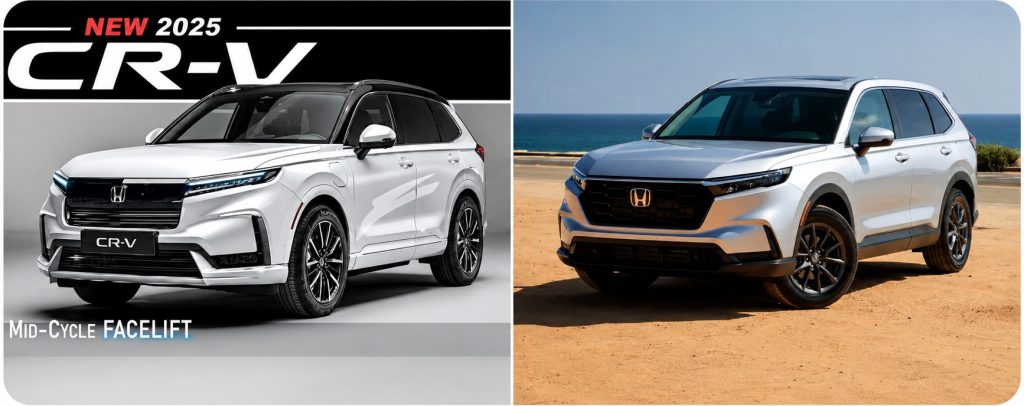
The CR-V is not a high-performance vehicle, but it has a strong safety reputation, and repairs are usually more predictable than on premium SUVs. These factors can help reduce both collision and comprehensive insurance costs. If you are comparing coverage types, it may help to review how comprehensive and collision coverage work before choosing a policy.
2. Mazda CX-5
The Mazda CX-5 frequently ranks near the top of lists of the cheapest cars to insure, with estimated annual full-coverage rates often between $1,877 and $1,950. It offers a premium feel without the higher insurance costs that usually come with luxury-brand SUVs.
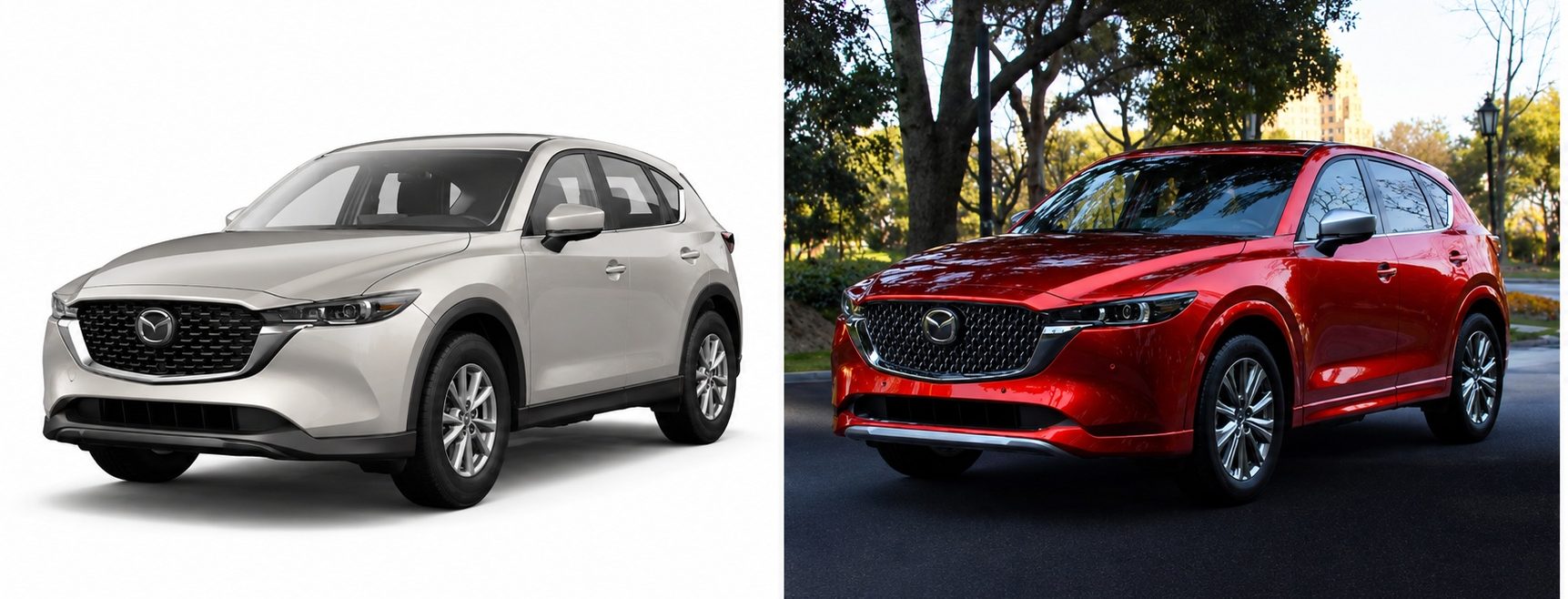
Predictable repair costs, consistent low-severity crashes, and strong safety tech make it an insurer favorite. The CX-5’s premium feel does not usually translate to premium insurance rates, which is why it is often one of the most affordable compact SUVs to cover.
This makes the Mazda CX-5 a smart choice for drivers who want style, comfort, and lower insurance costs in the same package. It is also a good reminder that the cheapest cars to insure do not have to feel basic or outdated.
3. Honda HR-V
The Honda HR-V is another affordable model to insure, with estimated premiums often close to or below $1,932 per year for full coverage. As a subcompact SUV, it usually costs less to repair than larger SUVs, while still offering the visibility and practicality many drivers want.
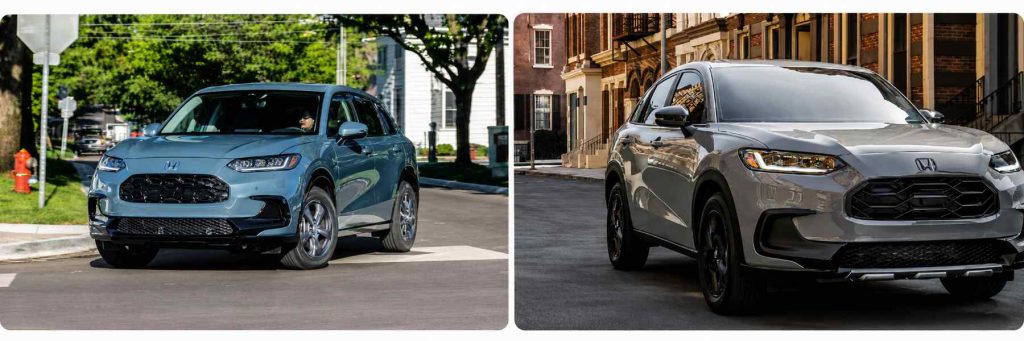
Lower vehicle value can limit claim payouts, while Honda’s parts availability and safety suite may help reduce repair and injury-related claims. The HR-V is ideal for urban drivers because its modest size can limit damage in certain collisions without sacrificing everyday practicality.
Insurance costs may still vary depending on trim level, location, and coverage choices. A newer HR-V with advanced driver-assistance features may cost more to repair than an older base model, so compare quotes before making a final decision.
4. Subaru Forester
The Subaru Forester is a strong choice for drivers looking for low insurance costs, with estimated full-coverage premiums often around $1,950 or less. Its standard all-wheel drive, practical shape, strong visibility, and safety-focused reputation help make it an insurance-friendly SUV.
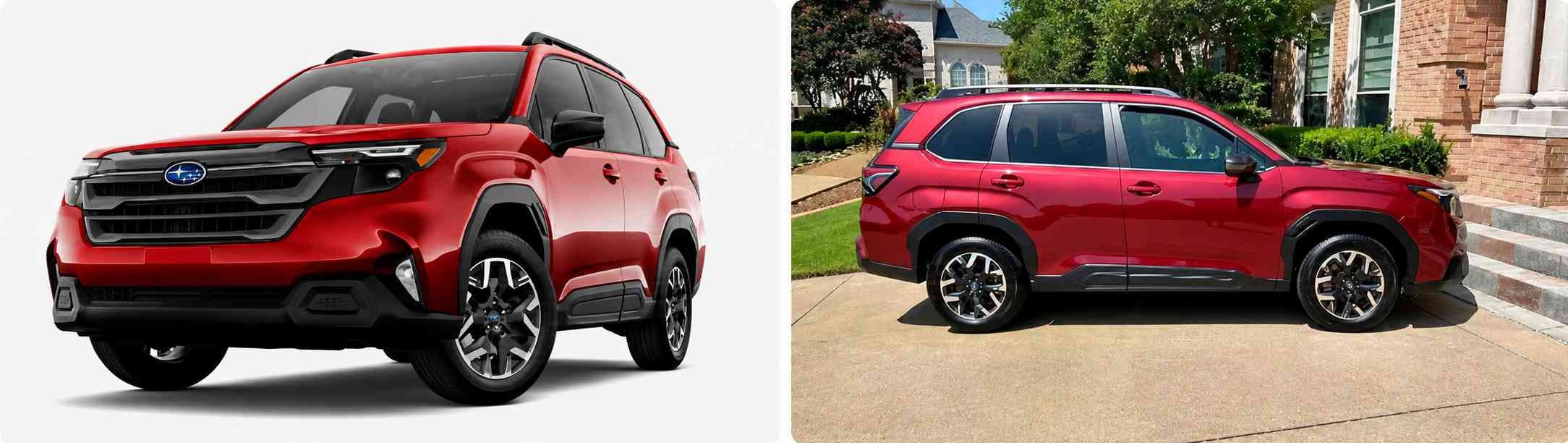
Fewer weather-related accidents, durable construction, and conservative ownership patterns can help reduce claim severity. Excellent visibility and crash protection further support its insurance-friendly status.
Drivers in snowy or rural areas may especially appreciate the Forester’s all-wheel-drive system. However, rates still depend on local claim patterns, so the same vehicle may cost more to insure in a high-traffic city than in a lower-risk area.
5. Subaru Outback
The Subaru Outback is another model that often delivers affordable insurance rates, with estimated annual full-coverage costs commonly around $1,890 to $1,950. It blends wagon practicality with SUV capability, making it popular among families, commuters, and outdoor-focused drivers.
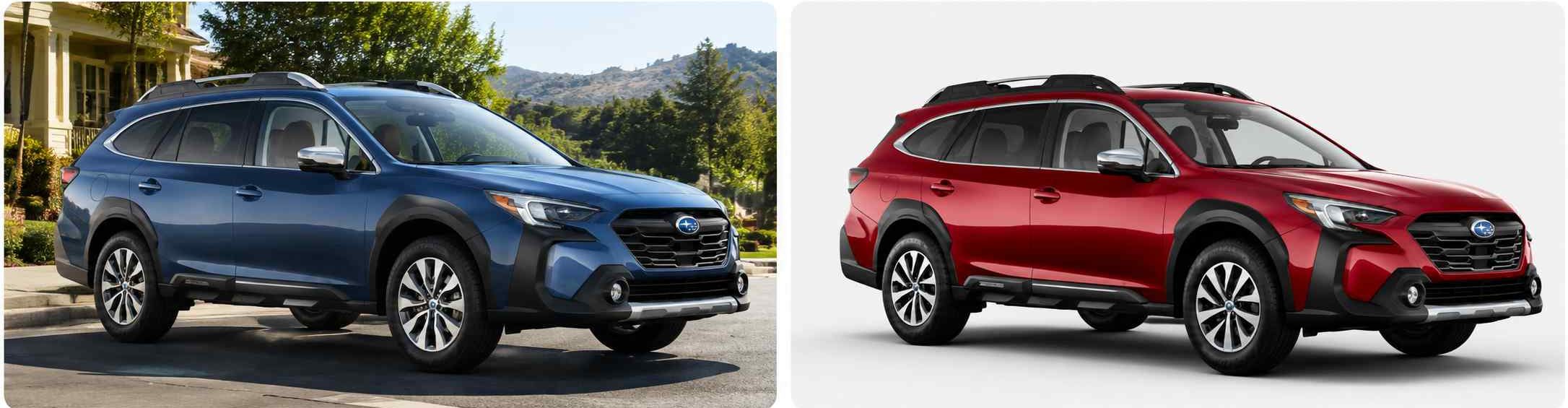
Standard all-wheel drive can minimize losses in poor conditions, while a rugged yet repairable design keeps costs manageable. The Outback also attracts safety-conscious families, which can help reduce high-risk claims.
If you are comparing the Outback against other insurers or coverage options, a guide like National General vs GEICO coverage comparison can help explain how liability, collision, comprehensive, and optional protections may differ between providers.
6. Hyundai Tucson
The Hyundai Tucson is a stylish compact SUV with estimated full-coverage premiums often near $1,900 to $2,000 per year. It offers modern safety features, good everyday practicality, and a competitive price point, all of which can help support reasonable insurance costs.
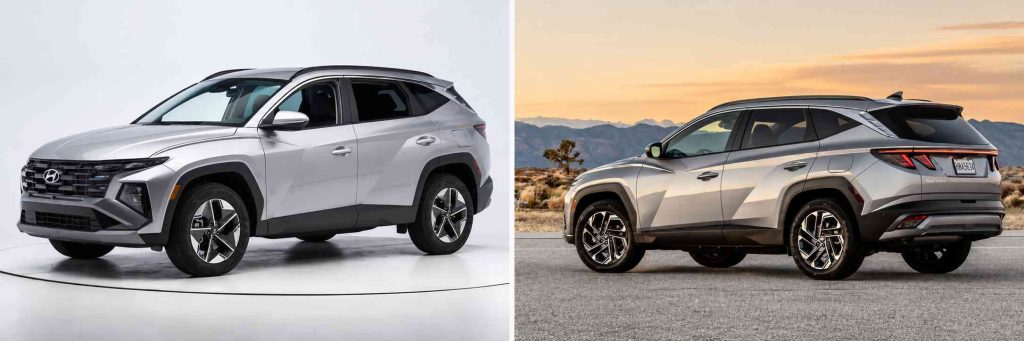
A growing parts network, strong safety ratings, and moderate vehicle value can help limit insurance exposure. Advanced safety features may prevent some accidents, although sensors and cameras can increase repair costs after a collision.
For drivers who want a modern SUV without paying luxury-brand insurance prices, the Tucson can be a strong value. When comparing quotes, review both collision and comprehensive coverage costs, especially if you are financing or leasing the vehicle.
7. Subaru Crosstrek
The Subaru Crosstrek is a compact crossover that often lands among the cheapest cars to insure, with estimated annual premiums around $1,900 to $1,950. It combines small-vehicle efficiency with all-wheel-drive capability, making it practical for a wide range of drivers.

Its compact size can help limit damage severity in certain claims, while its safety features and practical buyer profile may help reduce risk. The Crosstrek is also less expensive than many larger SUVs, which can lower the potential payout for a total loss.
As always, compare rates for different trims because higher-end versions with more technology may cost slightly more to insure.
8. Chrysler Pacifica (including Voyager)
The Chrysler Pacifica, including closely related minivan models, is often surprisingly affordable to insure. Estimated full-coverage premiums commonly fall around $1,897 to $2,000 per year, depending on the driver and location.
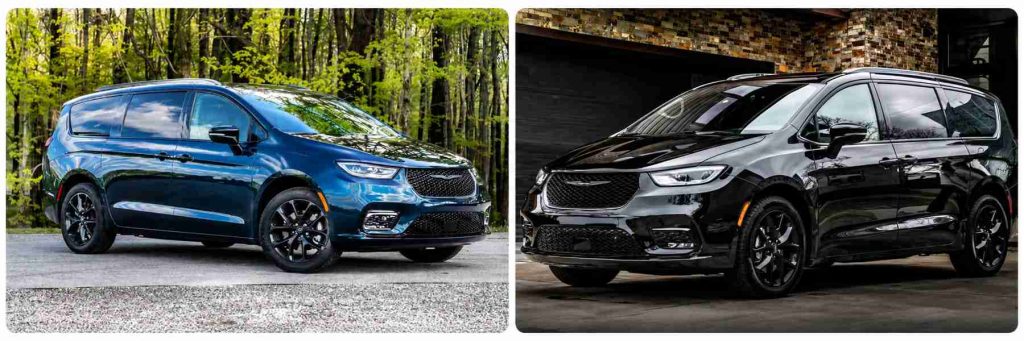
Minivans tend to be associated with family use, lower aggressive-driving risk, and practical ownership patterns. The Pacifica also offers a large structure and family-focused safety features, which can help reduce injury severity in some accidents.
Because minivans are not usually performance vehicles or high-theft targets, they can be easier on insurance budgets than many buyers expect. Families may also be able to save more by bundling auto insurance with homeowners or renters coverage.
9. Ford Maverick
The Ford Maverick stands out because it is a compact pickup with insurance costs that can be lower than many traditional trucks. Estimated premiums often fall around $1,900 to $2,100 per year for full coverage.
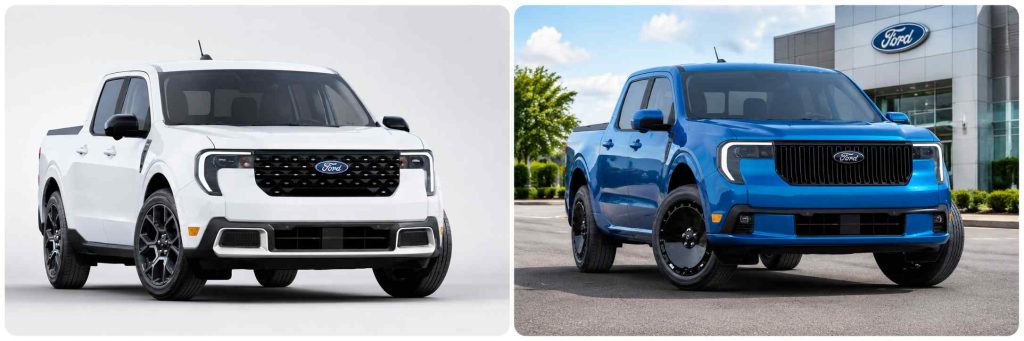
Unlike many larger body-on-frame pickups, the Maverick uses a more car-like unibody design. It is built for efficiency and everyday practicality rather than heavy-duty performance, which can help reduce insurance risk compared with bigger trucks. Practical demographics and solid safety scores also appeal to insurers.
10. Buick Envista
The Buick Envista is a newer compact crossover that can be affordable to insure, with estimated annual premiums often under $2,000. It combines a stylish design with a practical price point, which helps it avoid some of the higher insurance costs connected to luxury SUVs.
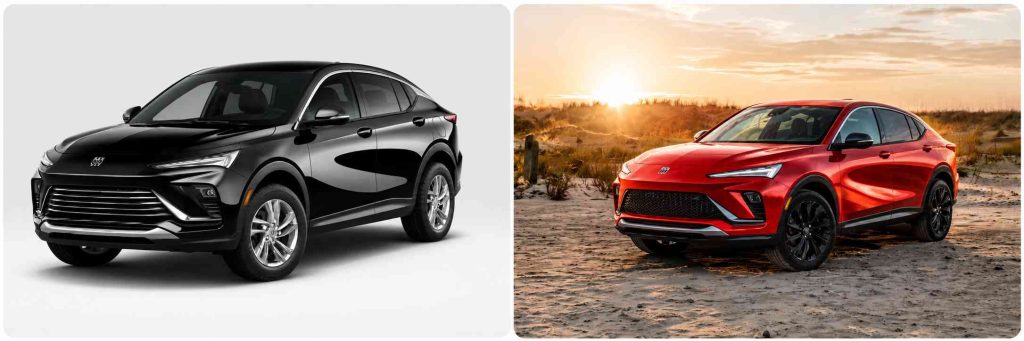
The Envista benefits from GM’s parts ecosystem, a mature buyer base, and balanced features that can help avoid premium spikes. It also offers good safety equipment without the overly complex technology often found in more expensive luxury models.
For drivers looking for a newer crossover with a more upscale appearance, the Envista can be a smart insurance-friendly option. Still, because it is a newer model, rates may vary as insurers gather more claims data over time.
Key Factors Driving Lower Insurance Costs in 2026
The cheapest cars to insure usually excel because of data-backed predictability: advanced yet affordable-to-fix safety tech, structures that minimize injury severity, low theft appeal, and owners who drive conservatively. SUVs and crossovers often perform well because higher ride height can improve visibility, while practical vehicle designs usually attract lower-risk drivers.
Safety ratings can also matter. Before buying a vehicle, it is worth checking independent resources such as the IIHS vehicle safety ratings. Strong safety scores do not guarantee lower premiums, but they can support better crash outcomes and may help insurers view a model more favorably.
Rates fluctuate by state, age, driving history, annual mileage, and repair-cost trends such as rising prices for ADAS sensors. Hybrids and EVs can also vary: some save through efficiency-focused driver profiles, while others cost more due to specialized battery or technology repairs.
To optimize savings in 2026:
- Shop multiple insurers annually.
- Bundle home and auto policies when possible.
- Maintain excellent credit and a clean driving record where credit-based pricing is allowed.
- Ask about auto insurance discounts such as safe-driver, multi-policy, good-student, low-mileage, and telematics savings.
- Consider higher deductibles if you have enough emergency savings to cover the out-of-pocket cost.
Selecting from this list of the cheapest cars to insure provides a solid start toward securing more affordable coverage. However, the best way to lower your car insurance bill is to compare quotes, review discounts, and choose a vehicle that balances safety, reliability, repair costs, and long-term ownership value.
Final Thoughts on the Cheapest Cars to Insure
The cheapest cars to insure in 2026 are mostly practical SUVs, crossovers, minivans, and compact utility vehicles. Models like the Honda CR-V, Mazda CX-5, Subaru Forester, Subaru Outback, Hyundai Tucson, and Ford Maverick show that you do not need to give up comfort, safety, or everyday usefulness to find a vehicle with lower insurance costs.
Before buying your next car, compare affordable car insurance options for the exact year, make, model, and trim you are considering. Even among the cheapest cars to insure, rates can vary by insurer, ZIP code, coverage level, and driver profile.
Choosing one of the cheapest cars to insure can help lower your long-term ownership costs, especially when combined with a clean driving record, smart coverage choices, and regular quote comparisons. Start by reviewing your current policy, comparing updated rates, and choosing a vehicle that offers the right balance of safety, reliability, and affordable insurance.